The Mystical Legacy of the 7‑Day Candle
For centuries, the humble yet sacred 7 day candle. The tall, slow-burning, and encased in glass candle has been a powerful symbol across faiths and cultures: guiding souls, lighting vigils, honoring ancestors, and holding prayer intentions. Let’s journey through its rich origins.
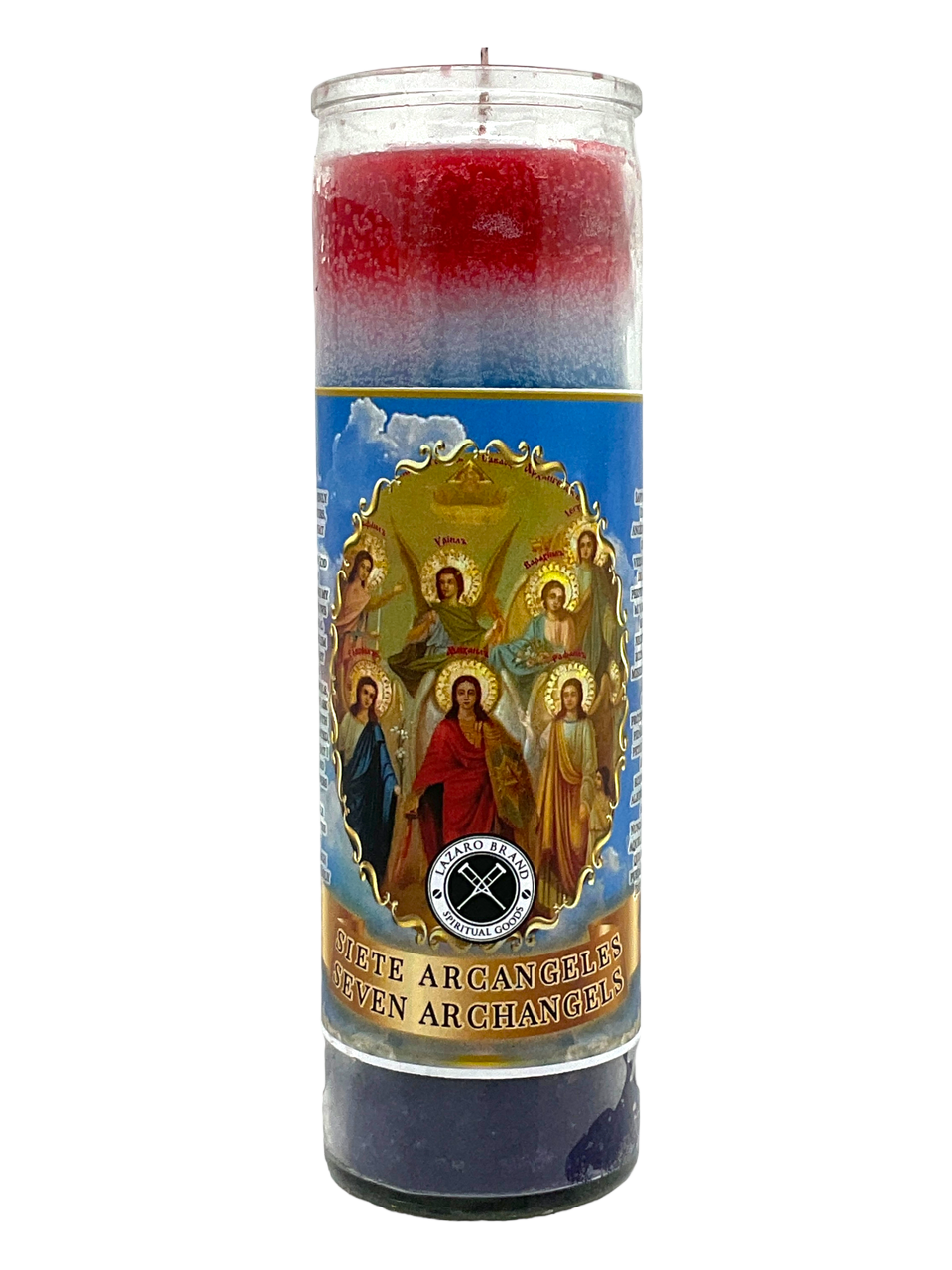
Depiction of the Seven Archangels 7-day candle
Ancient Roots & Remembrance
In ancient Greece and Rome, candles and torches were lit during funerary rites and rituals to guide the departed through the afterlife journey.
By the 4th and 5th centuries, candles became central in Christian memorial traditions, especially Yahrzeits in Judaism. It’s when candles that burn for a full day in remembrance of the deceased. Extended versions, like seven-day memorial candles, were introduced for multi-day vigils.
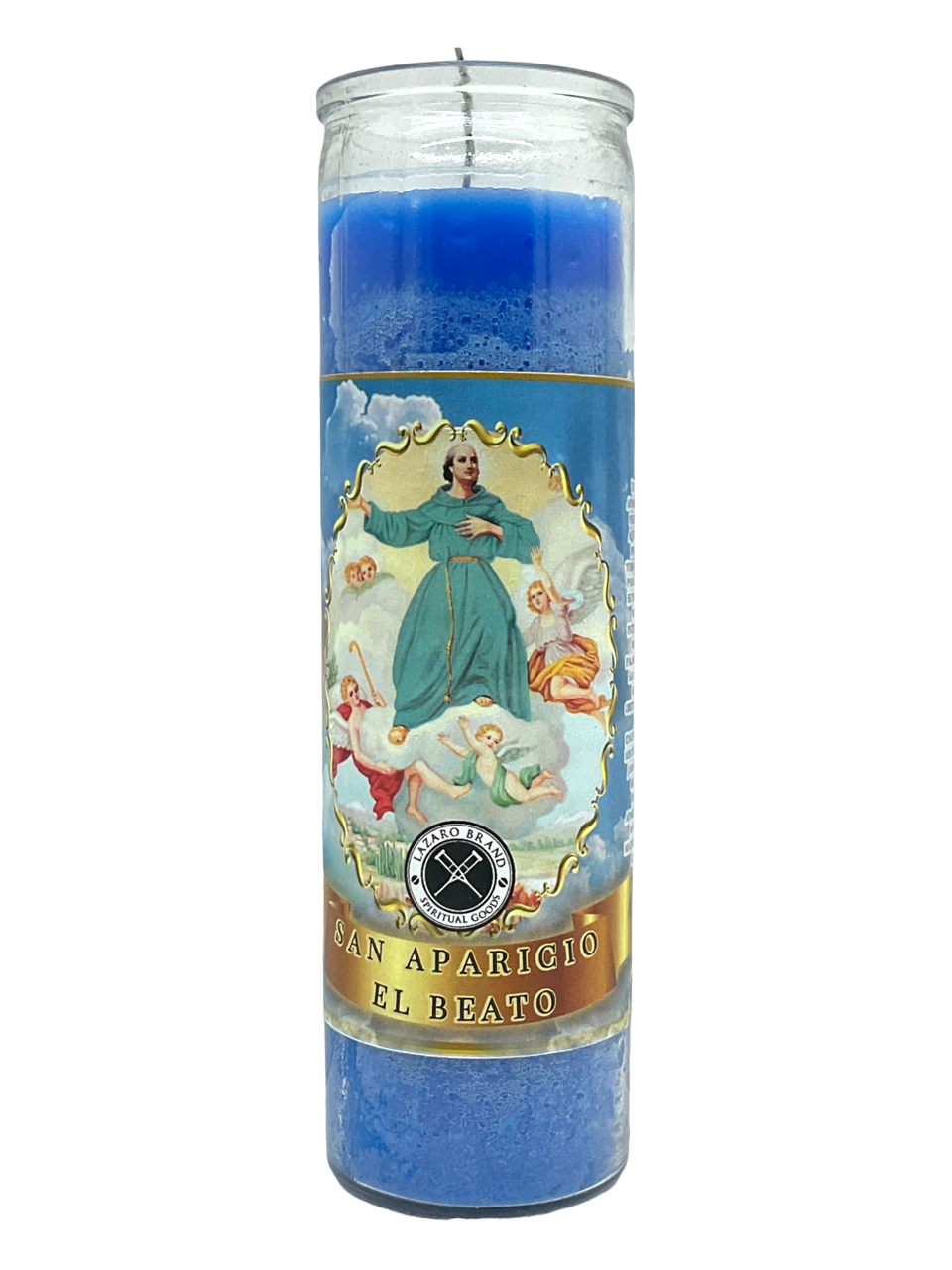
San Aparicio – Find Lost Items & Reconcile Relationships
Church Vigil Lights & Votive Candles

A redesigned prayer candle. with high quality Beeswax and Coconut wax, replacing the use of harmful Paraffin wax.
The practice of lighting votive candles in Christianity can be traced to Old Testament ritual lamps and early Church traditions. These were lit in prayer, symbolizing vigilance and spiritual presence.
The language around these candles reveals how ancient and intentional the practice truly is. The word votive comes from the Latin votum, meaning a vow, wish, or sacred promise—something offered in relationship with the divine, often in exchange for protection, healing, or guidance. Archaeological evidence from ancient Rome shows that votive offerings were not limited to candles alone, but included lamps, small figurines, and inscribed objects left at temples as tangible expressions of prayer. As oil lamps and later candles became more accessible, the flame itself took on the role of the offering—an ever-burning witness to the prayer that had been spoken. The term vigil, derived from vigilia, meaning “to keep watch,” carries both a spiritual and practical meaning. In early Christian communities, vigils were literal acts of staying awake through the night in prayer, particularly before major feast days or during times of crisis or mourning. Over time, candles came to embody that watchfulness symbolically, maintaining a spiritual presence even when the faithful could not remain physically present. In this way, vigil and votive candles functioned as surrogates for the worshiper—keeping prayer alive across hours, days, or weeks, and suggesting that devotion itself could transcend time, sleep, and human limitation.
The Seven Day Candle in Folk & Ritual Use
In candle magic and spiritual trade (e.g., Hoodoo, Latin American practices), seven-day candles became a staple—often labeled with saints, prayers, or herbal dressings and burned for persistent intentions or rituals.
In Mexico and broader Día de los Muertos (Day of the Dead) traditions, seven-day candles are placed on altars (ofrendas) to guide the spirits of loved ones through the multi-day celebration.
Across Historic Traditions
In Catholic and Orthodox churches, extended burning candles are common placed before saints’ statues or icons—offered as ongoing prayers, memorials, or showing solidarity with the suffering Christ.
The Orthodox tradition emphasizes beeswax candles as pure symbols of Christ’s light and the devotion of believers—7‑day or vigil lights are common in both church and personal prayer corners.
Universal Symbol of Light and Presence: Across many cultures and spiritual traditions, a lit candle represents the enduring presence of the sacred — light overcoming darkness and ignorance, offering clarity, hope, and connection to something greater than the self. The flame itself is often seen as a metaphor for the soul, divine spark, or inner wisdom that continues to shine even in times of challenge.
Prayer and Intention Across Religions: In many faiths outside Christianity, light from candles or lamps embodies spiritual intention. In Hindu worship (puja), lighting a diya or lamp is an offering of devotion to the divine and a way to invite blessings, purity, and auspiciousness into a space.
Buddhist Practice and Enlightenment: In Buddhist traditions, candles are often placed on altars as part of meditation and devotional practice, symbolizing the radiance of the Buddha’s teachings and the aspiration toward mental clarity, compassion, and awakening. During festivals like Vesak, groups light candles to honor the Buddha’s life and enlightenment.
Memorial and Remembrance Rituals: In Jewish custom, candles such as Yahrzeit (memorial) candles are lit to honor the memory of loved ones, symbolizing the enduring legacy of the soul and the light its life brought into the world. These are meant to burn continuously for a set period as a sign of remembrance and respect.
Folk and Magical Traditions: In various folk and magical practices — including Hoodoo and contemporary Pagan paths — candles are considered living conduits of intention. Colors, inscriptions, and the act of burning are used to focus prayer, invoke protection, healing, love, or guidance, and to “send” intentions or messages to ancestors and spirit allies.
Meditation and Inner Focus in Secular Spirituality: Even in non-religious or secular contemplative practices, candlelight is used as a tool for focus, mindfulness, and presence. The steady flame becomes an anchor for breath, reflection, and inner stillness, helping practitioners center their attention and quiet the mind.
Candle Components as Symbols: In many interpretations, the elements of a candle carry layered meaning: the flame represents the soul or divine spark; the wax can symbolize the physical body or material life consumed in service to a larger purpose; and the smoke rising from the flame is likened to prayers or thoughts ascending into higher realms.
| Symbol or Use | Meaning or Tradition |
|---|---|
| Endurance of flame | Continuous prayer, remembrance, or presence |
| Glass enclosure | Protection, containment, sacred space |
| Seven-day duration | Spiritual completeness, sustained intention |
| Saint or image labels | Personal devotion, intercessory agency |
| Color symbolism | Different spiritual energies or intentions (e.g., love, healing, clarity) |
Why It Matters Today
The 7‑day candle combines ritual, remembrance, and endurance: a flame that keeps vigil for your prayers.
It bridges ancient religious traditions with folk spirituality, empowering intention, ancestral connection, and ceremonial design.
In modern spiritual brands and offerings, the 7‑day candle embodies presence, transmutation, and devotion: an archetype of ritual that holds great meaning.
From ancient rites to modern altars, the seven‑day candle endures as a beacon of spiritual focus, remembrance, and ritual intention. Its symbolic power spans centuries, and its flame continues to hold space for prayer, transformation, and connection.